Most boundary disputes do not start with a deed — they start with a fence put up a foot over the line, a driveway that drifted during paving, or a shed built on an assumed corner. By the time neighbors stop speaking, each side is certain. A licensed survey replaces certainty with measurement.
Start With the Record, Not the Fence
A surveyor's first job in a dispute is archival: the deeds of both parcels, the subdivision plat that created them, and every prior survey on record. Fences and mow lines are evidence, but they are the weakest kind — the written record and original monuments control. Many disputes dissolve at this stage, when one deed clearly calls to a monument both sides can walk to.
Recover What the Ground Still Holds
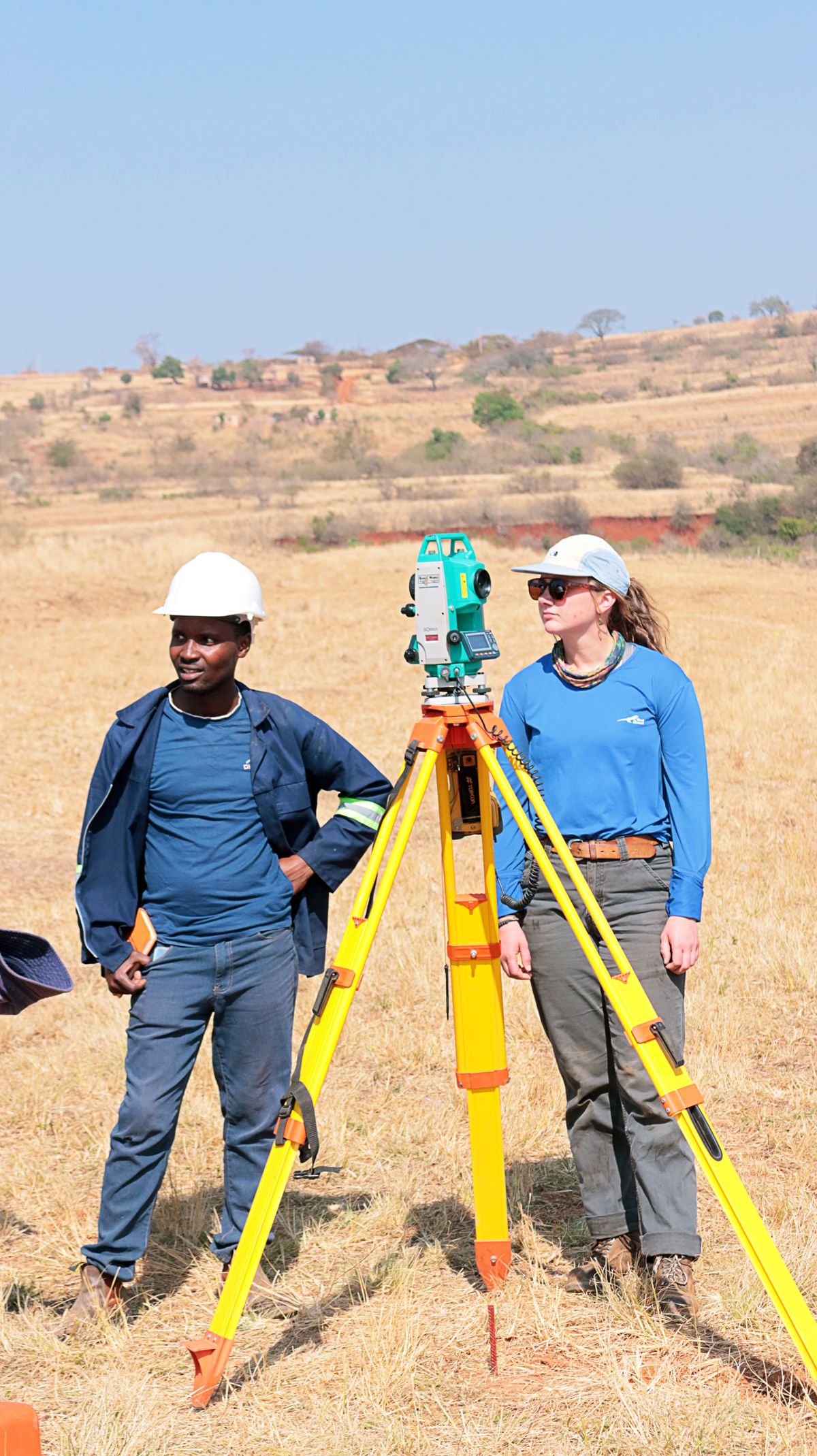
Fieldwork recovers iron pins, stone bounds, and other original monuments, then ties occupation — fences, hedges, walls, drive edges — against the computed lines. The comparison usually tells the story: a fence two feet east of the true line for thirty years, or a driveway apron poured across a corner nobody re-checked.
A survey does not take sides. It reports where the evidence says the line is — and that neutrality is exactly why courts and attorneys trust it.
From Findings to Agreement
The sealed plat shows true lines overlaid with occupation, dimensioned so plainly that both parties can see the answer. From there the paths are practical: move the fence, grant an easement, adjust the line by agreement, or — rarely — litigate with the survey as Exhibit A. In our experience, roughly nine in ten disputed lines settle once both sides share one credible map.
When to Call Before It Escalates
Call a surveyor at the first sign of disagreement: a new fence quote, a neighbor's grading near your line, or a letter from an attorney. Early measurement is a fraction of the cost of a quiet-title action, and a staked line often restores the conversation before positions harden.
If you are facing a line question now, read how our boundary surveys document evidence, or see a dispute-style engagement in our commercial property analysis.